

How to Calm Anxiety When You Feel Out of Control: Management Techniques
If you’ve ever felt overwhelmed, you know that such emotions can trigger the sense that everything is slipping away from you. That’s why it is so important to learn how to ground yourself. The right anxiety management tools can bring your body and mind back into balance. When panic builds, your nervous system shifts into survival mode, so even simple tasks feel impossible to handle. This guide focuses on practical, science-supported anxiety relief techniques. Using them, it will be easier for you to reconnect with your sense of control. Such approaches are equally helpful for situations when you’re experiencing panic attacks, chronic stress, or sudden waves of fear. They will serve as a calm and steady path back to safety.

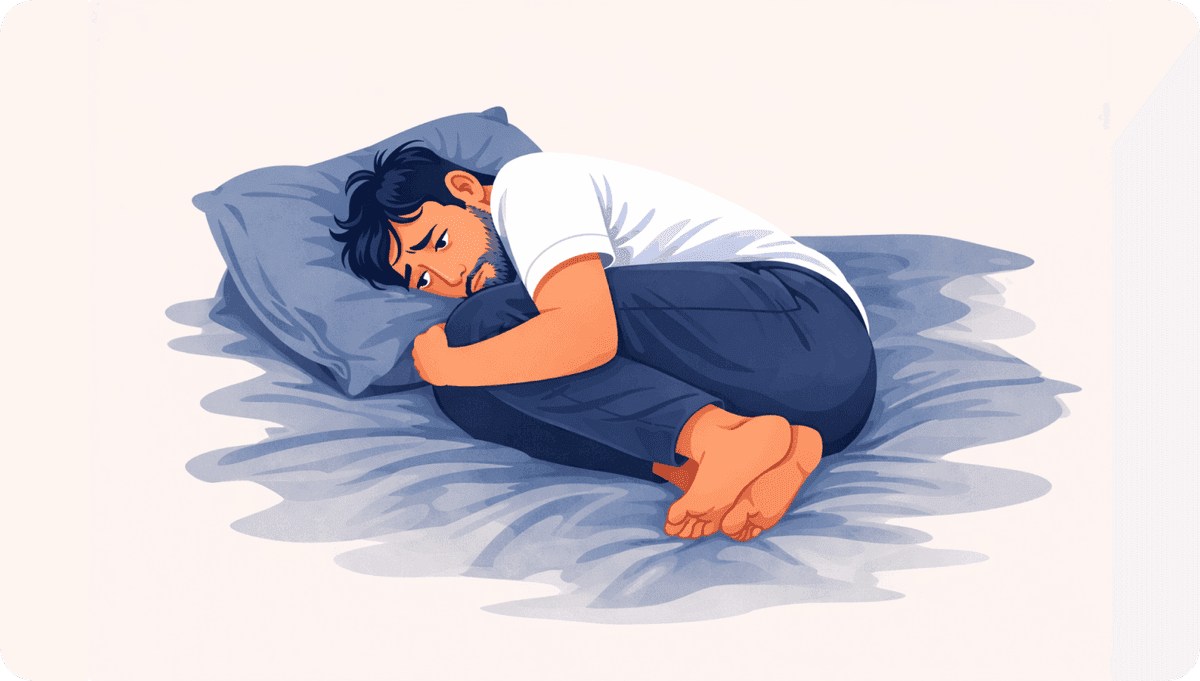
Immediate Anxiety Relief Techniques: How to Reduce Anxiety Fast
It happens that anxiety surges unexpectedly. That’s why you need reliable methods that help you reduce anxiety fast by calming the body’s fight-or-flight response. The main idea behind these quick methods is to slow your breath, relax your muscles, and interrupt catastrophic thinking.
Using immediate anxiety relief techniques during the first signs of panic is paramount. This way, you can prevent symptoms from becoming more severe. You can practice these strategies virtually anywhere - in the car, while walking in the park, during social gatherings, or at home. Over time, they become automatic tools for efficient anxiety and stress management.
Quick Anxiety Relief Techniques: The 3-3-3 Grounding Method
Among all quick anxiety relief techniques, the 3-3-3 Grounding Method is one of the most effective for immediate stabilization. Panic often pulls you into a spiral of “what if” thoughts. This exercise pulls you back into your surroundings within seconds. It works because it shifts your attention from internal fear to external sensory input. Thus, your brain gets an instant signal that you are safe.
Here’s how to do it:
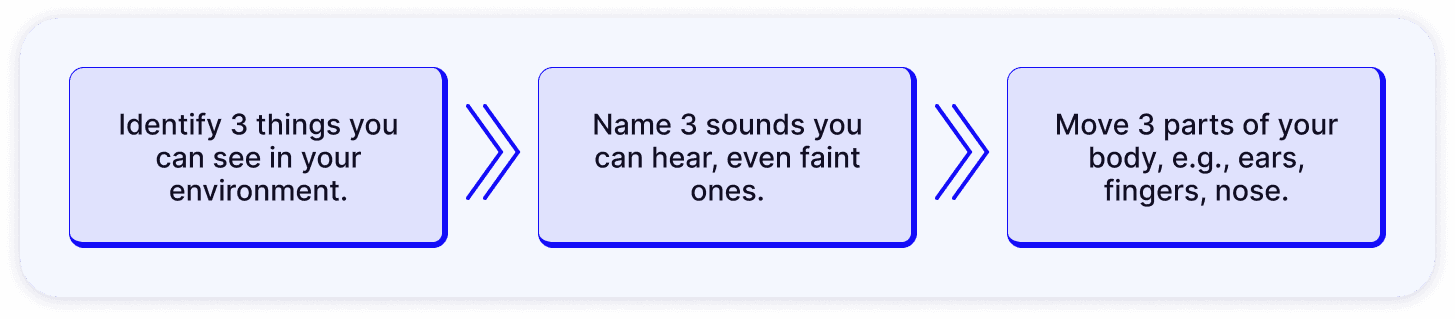
By engaging sight, sound, and movement, this technique disrupts the anxiety cycle and reduces the feeling of losing control. Therapists frequently recommend it as part of early-stage anxiety management techniques because it’s discreet, fast, and effective in almost any setting.
Best Relaxation Techniques for Anxiety Relief (Breathing & Somatic)
Some of the best relaxation techniques for anxiety relief involve regulating your breath and releasing physical tension through somatic practices. Slow, controlled breathing activates the parasympathetic nervous system. This is the part responsible for calming your heart rate and lowering cortisol. You can try box breathing, diaphragmatic breathing, or extended exhale breathing to quiet your body’s alarm system quickly.
Somatic techniques help release the muscle tightness and stored adrenaline that accompany anxiety. You can try:
- Progressive muscle relaxation, tightening and releasing muscles from the feet to the jaw.
- Somatic shaking, gently shaking limbs to discharge nervous energy.
- Grounding touch, placing a warm hand on your chest or abdomen for comfort.
These practices build long-term anxiety management skills by teaching your body how to transition out of high-alert mode. When you use them consistently, you can develop strong anxiety management strategies and make your overall stress response more resilient.
Long-Term Anxiety Management Strategies & Lifestyle Changes
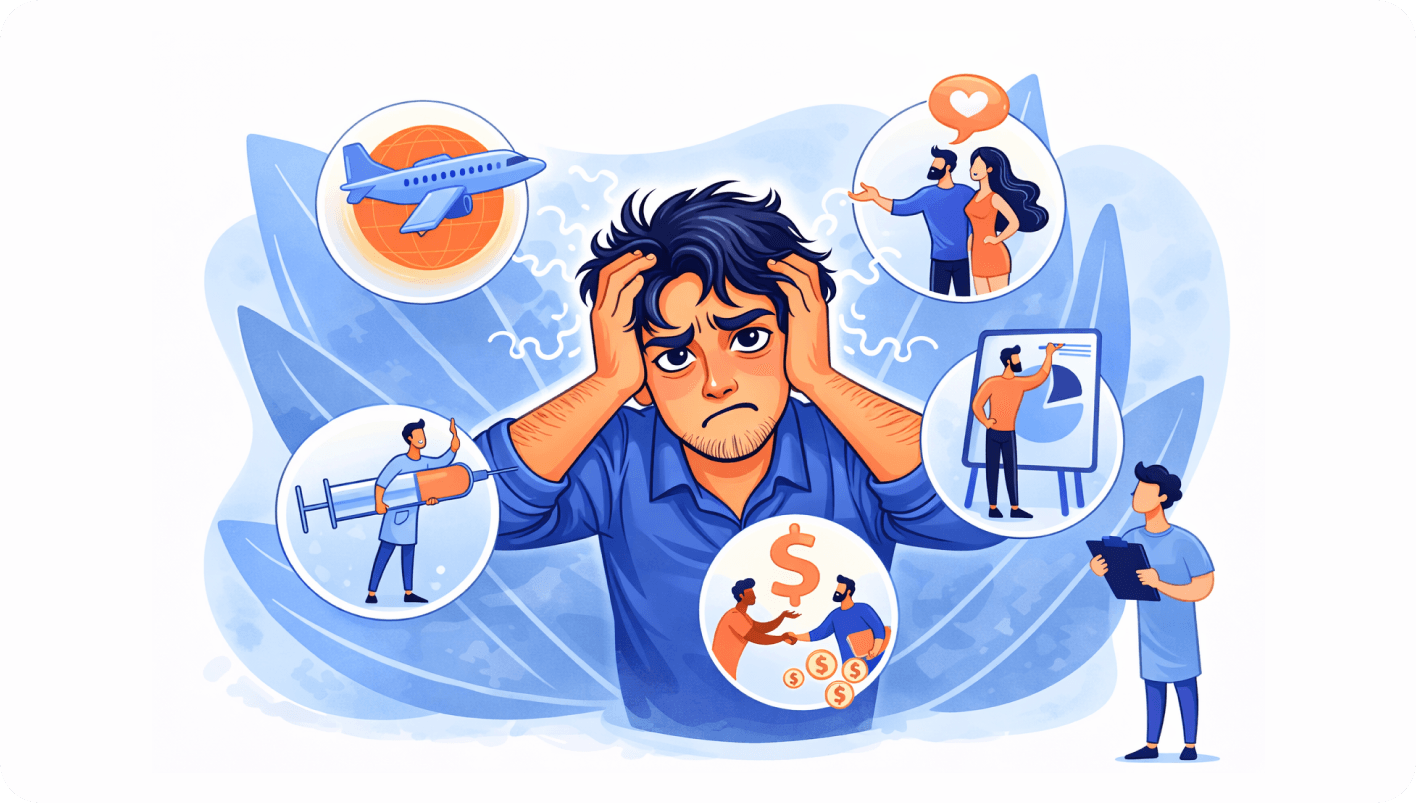
Long-term calm doesn’t come from quick fixes alone. It’s built through consistent habits and supportive systems. If you develop strong anxiety management strategies and learn to apply them automatically, your nervous system will become more resilient over time. In fact, such habits reduce the frequency and intensity of anxiety spikes and give you a sense of control.
The combination of daily routines, healthy boundaries, balanced nutrition, and better sleep hygiene forms the foundation of sustainable anxiety and stress management. When your lifestyle supports your nervous system, your brain becomes more resilient and less reactive to everyday stressors. These long-term habits help stabilize mood, improve emotional regulation, and create a sense of internal safety that makes it easier to move through difficult moments.
By strengthening both your environment and your personal coping tools, you build a buffer that allows you to reduce anxiety fast, even during high-pressure situations. Over time, these practices train your body to return to baseline more easily. Thus, moments of overwhelm are less intense and less frequent. In other words, the stronger your daily practices, the calmer your nervous system becomes.
Building Anxiety Management Skills with CBT
Cognitive Behavioral Therapy (CBT) is one of the most evidence-based ways to develop lifelong anxiety management skills. The core of CBT is learning how thoughts influence emotions and behaviors, and how small shifts in thinking can significantly lower anxiety. Through this framework, people learn to identify distorted thoughts (“I can’t handle this,” “Something bad will happen”) and replace them with more balanced interpretations.
CBT also integrates behavioral tools like exposure, habit formation, and structured problem-solving. These techniques help strengthen long-term anxiety management by “teaching the brain” that feared situations are manageable. Over time, this method has a positive effect on avoidance behaviors, tolerance to discomfort, and coping ability.
Many therapists also provide worksheets or anxiety management techniques PDF files to help clients practice between sessions. Regular practice builds emotional resilience, allowing you to respond to anxiety with skill instead of fear.
Diet Hacks: Foods That Reduce Anxiety Fast
Your diet has a direct impact on your nervous system. So, choosing the right foods can help calm your body within minutes. Nutrient-rich ingredients like magnesium, B vitamins, and omega-3 fatty acids support neurotransmitters responsible for mood and stress regulation. This makes specific foods that reduce anxiety fast an easy and accessible tool for everyday support.
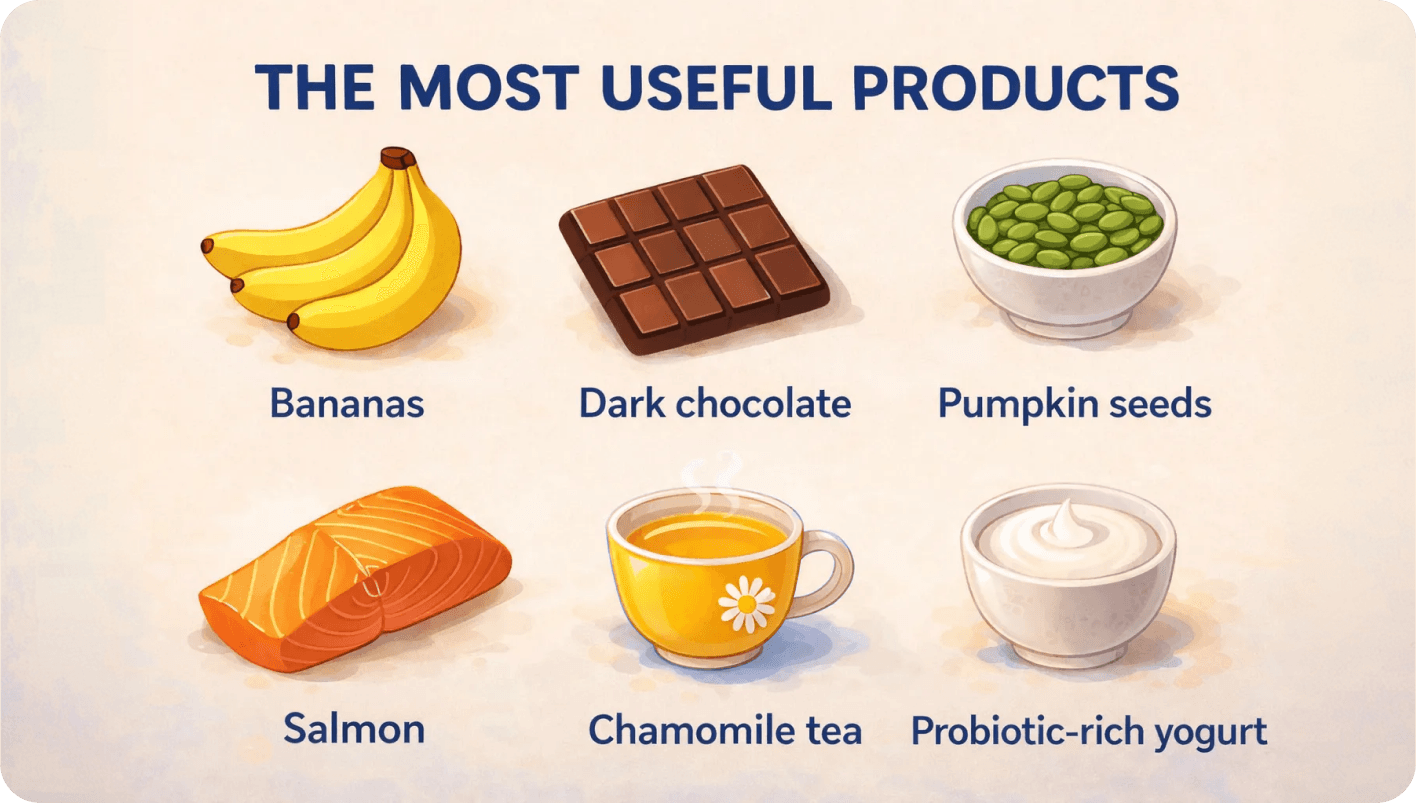
These foods stabilize blood sugar and calm the fight-or-flight response that fuels anxiety.
Add these options to your daily routine to strengthen your anxiety management strategies. Such a simple habit ensures more stable energy, better sleep, and improved mood. While diet alone can’t treat an anxiety disorder, it can significantly lower baseline stress levels, especially when paired with lifestyle changes and therapy.
Medication Management for Anxiety vs. Behavioral Tools
Medication can play an essential role in treating anxiety, especially for people with chronic or severe symptoms. Medication management for anxiety involves using antidepressants, anti-anxiety medications, or beta-blockers under medical supervision to stabilize the nervous system. These medications can help regulate brain chemistry, reduce physical symptoms, and prevent severe anxiety spikes.
However, medication works best when combined with behavioral strategies. Techniques like CBT, grounding, breathwork, and lifestyle changes help build your internal coping toolbox. This balanced approach is often referred to as anxiety medication management, emphasizing the partnership between medical treatment and psychological skills.
For some people, including individuals with health-related stress such as COPD and anxiety management challenges, medication may be essential. For others, behavioral strategies may be enough. The most effective approach is personalized, collaborative, and guided by a trained professional.
Anxiety Management Tips for Specific Phobias & Conditions
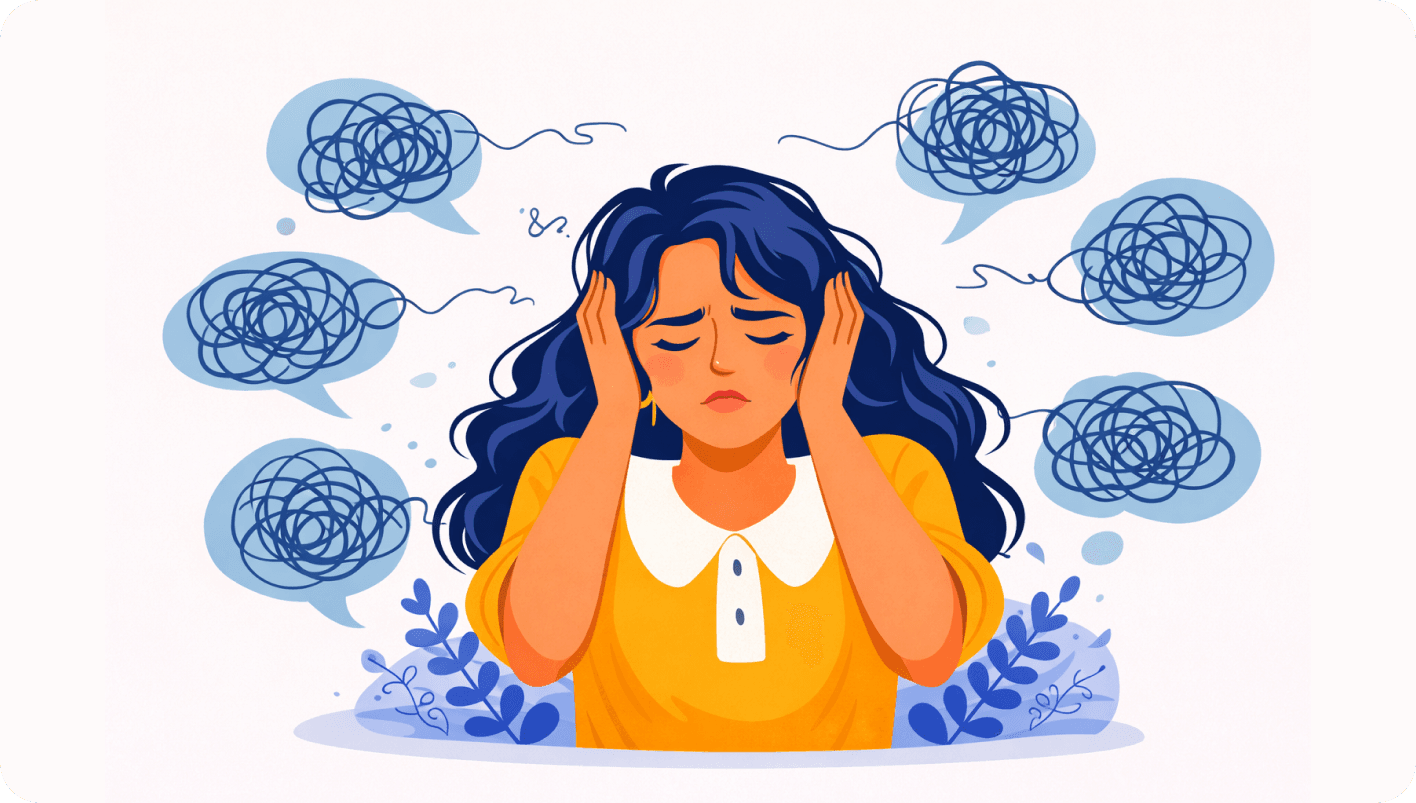
To cope with different anxiety types, it is necessary to tailor your approach to the trigger. Phobias, medical fears, and situational stress benefit from specialized anxiety management tools that help the nervous system reset. Targeted methods can reduce physiological overload and restore a sense of control, no matter whether you are struggling with social performance, medical appointments, or chronic conditions.
These focused strategies work alongside general anxiety management techniques, giving you a plan for moments where fear becomes overwhelming. Still, it is important to repeat the practice regularly, so that it becomes second nature. Thus, your brain learns safer associations, and you can stay grounded even when your triggers are present.
Public Speaking Anxiety Management Techniques
Public speaking is one of the most common anxiety triggers, and the body reacts as if it’s in danger. You have probably noticed how your heart starts beating faster, your hands are shaking, and it seems you can’t breathe properly. Effective public speaking anxiety management techniques work by calming the physiological stress response while reframing unhelpful thoughts.
Start with somatic grounding:
- Place both feet firmly on the floor.
- Lengthen your spine.
- Take a slow exhale.
This signals the nervous system that you are safe, activating the parasympathetic “rest and calm” response.
Next, shift your mental focus. Instead of worrying about how you will be perceived, anchor your attention to your message. A simple pre-talk ritual helps regulate performance stress. It can be box breathing, repeating a grounding phrase, or visualizing a successful outcome.
Another key tool is exposure practice. Gradually rehearse in low-pressure settings (mirror → recording → trusted friend → small group). This allows the brain to build confidence. When practiced regularly, these anxiety relief techniques retrain your system to stay steady even under pressure.
Medical Stress: Dental Anxiety Management & COPD
Medical environments can trigger strong stress responses, especially when pain, breathing issues, or past trauma are involved. Dental anxiety management starts with understanding what triggers your fear. Do you feel uneasy because of sounds, needles, or loss of control? Once you know what causes discomfort, you can build a communication plan with your dentist. Agree on a “pause” gesture, ask for step-by-step explanations, and use noise-canceling headphones or mild sedation when appropriate. Pair this with somatic tools, such as hand-warming or paced breathing, to stabilize your body during the appointment.
For chronic respiratory conditions, COPD and anxiety management require a unique approach because breathlessness can mimic the sensations of a panic attack. Such techniques as pursed-lip breathing, slower exhalations, and forward-leaning postures help regain respiratory control. Cognitive reframing (“This is a symptom, not a danger”) reduces the fear spiral.
Both conditions become more manageable when creating predictable routines, preparing in advance, and using immediate anxiety relief techniques during episodes of distress. When the environment feels safer, the nervous system follows.
How Attainify Helps with Anxiety and Stress Management
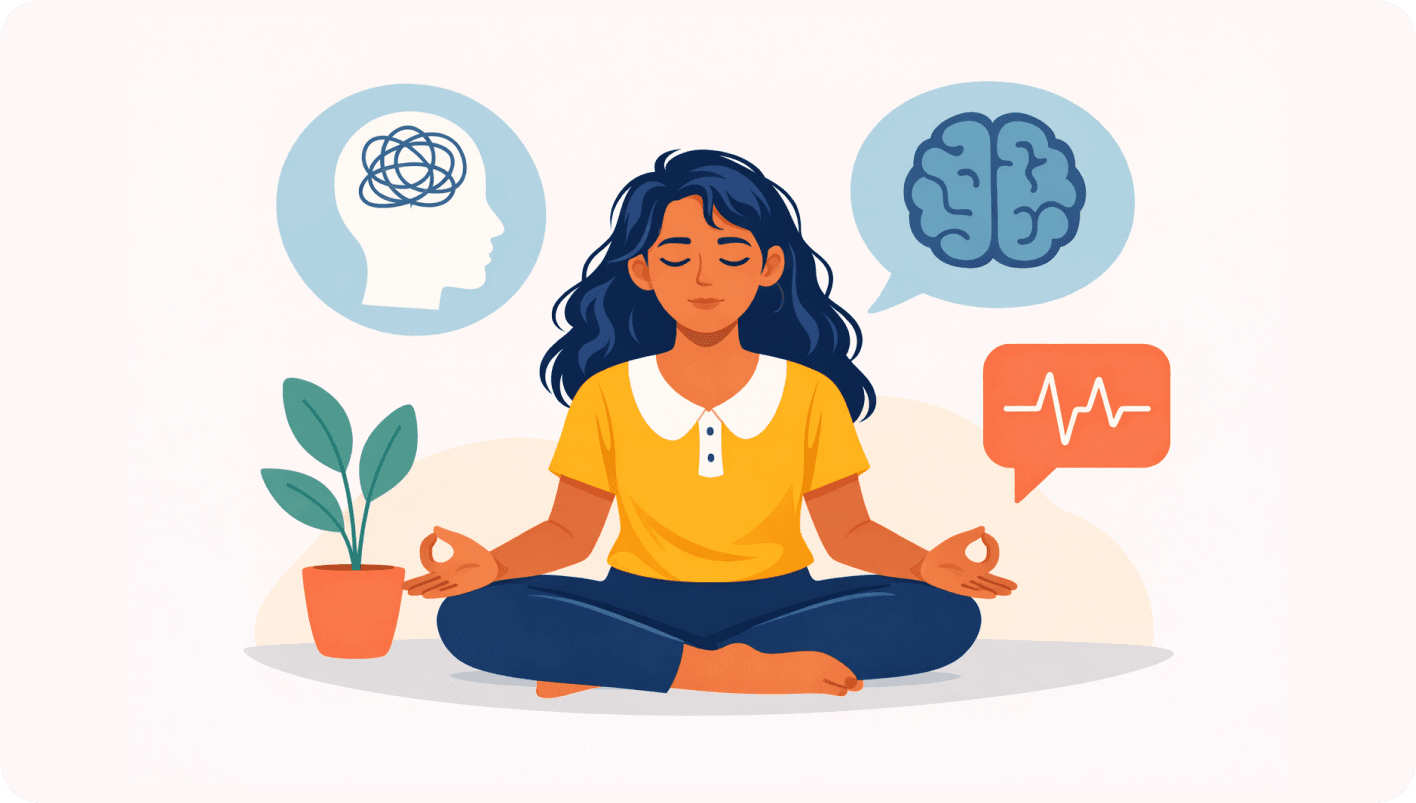
Attainify offers a holistic approach to anxiety and stress management. It combines science-backed tools with real-time guidance. The app contains grounding prompts, breathwork guides, and somatic exercises. Using them, you can learn how to reduce anxiety fast and effectively deal with overwhelming emotions. For those struggling to stay consistent, the system provides daily routines, micro-tasks, and gentle reminders. Thus, you can develop and hone your anxiety management skills.
Its dopamine-based motivation cues reduce avoidance and make calming practices easier to follow. The AI Voice Coach gives immediate support during stressful moments, guiding you through quick anxiety relief techniques and helping you regain control. The app is equally helpful for situations when you need in-the-moment stabilization or daily structure.
FAQ
What are the most effective anxiety management techniques for beginners?
If you are just learning how to come down in stressful situations, it is better to start with grounding exercises, slow breathing, and gentle somatic movements. By doing such simple things, you can regulate the nervous system very efficiently. Still, start small. For example, you can use the 3-3-3 grounding method to anchor yourself in the moment and regain confidence. Another option is to write your fears down in a notebook. Thus, you can better understand them and even see that they aren’t so terrible. Besides, remember the environmental control. The surrounding space has a serious impact on how you feel.
Do I need a specialist for anxiety management?
Not everyone needs a specialist right away, but a trained professional can significantly improve your anxiety management results. Therapists who specialize in CBT or somatic therapy can provide personalized frameworks and structured support. If your anxiety interferes with work, sleep, or daily functioning, it is crucial to seek expert assistance. Specialists can also guide anxiety medication management if needed. The best option is to combine professional care with home-based practices.
What are the best immediate anxiety relief techniques for panic attacks?
When you experience a panic attack, you should focus on slowing the physical symptoms first. Deep diaphragmatic breathing, cold exposure (like holding an ice pack), and grounding exercises help interrupt the panic cycle. Some people say that naming objects around them or concentrating on tactile sensations helps anchor the mind. If panic attacks occur frequently, it is necessary to seek professional support.
How can Attainify help when I feel out of control?
Attainify helps users build structured routines to find anxiety relief in different situations. Besides, the platform offers calming visuals and supportive real-time tools. The most popular features are step-by-step daily planning, visual timers, and grounding prompts. The app also includes mood tracking and micro-actions to reduce overwhelm and build consistent anxiety management skills.
Sources
- Grounding To Treat Anxiety.
- Long-term Outcomes of Cognitive Behavioral Therapy for Anxiety-Related Disorders.
- The Efficacy of Cognitive Behavioral Therapy: A Review of Meta-analyses.



Related Articles




Ready to Transform Your Life?
Take our 1-minute quiz and start your journey to self-discovery and personal growth today.
1-Minute Quiz