

How to Recognize Burnout and Reclaim Your Energy
Do you feel constantly drained, detached, or emotionally flat? You shouldn’t blame yourself for such feelings, as they are often the first burnout symptoms. People tend to relate such issues to tiredness, assuming everything will change after a good rest. But the problem is deeper.

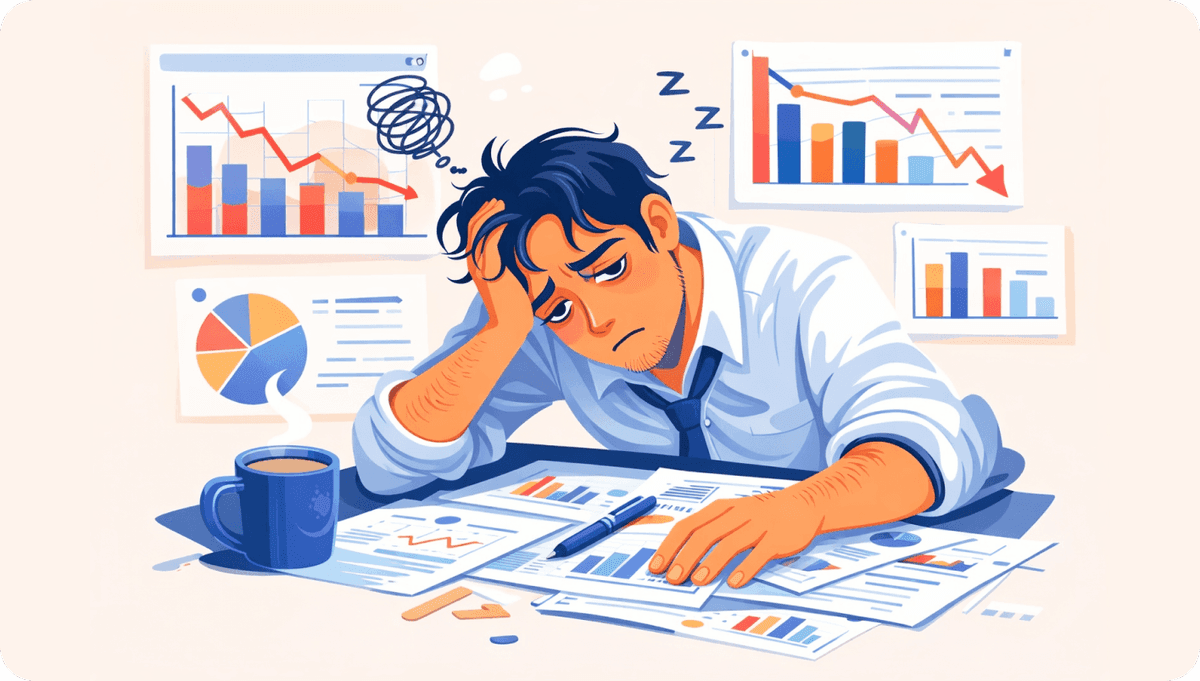
Burnout develops when stress becomes chronic and recovery never fully happens. Over time, your nervous system stays stuck in survival mode, leading to mental exhaustion, reduced motivation, and reluctance to do even small tasks.
Unlike everyday stress, burnout doesn’t disappear after a weekend off. It affects your energy, focus, mood, and even your body. Many high-functioning professionals, especially caregivers, healthcare workers, teachers, managers, and students, don’t recognize burnout early because they’re used to working in stressful environments and pushing through discomfort. This is why they often misinterpret symptoms of burnout as laziness, lack of discipline, or “just a bad period in life.”
In this guide, you’ll learn about the core signs of burnout, how it differs from stress or tiredness, and what practical recovery methods can come in handy, even if you can’t take time off work yet.
Recognizing the Signs: Burnout Symptoms vs. Stress
Stress and burnout are related, but there are still important differences to be aware of. Stress is usually short-term and situation-based. Burnout, on the other hand, is a long-term state of depletion. When you understand the difference, you’ll be able to come up with proper recovery strategies.
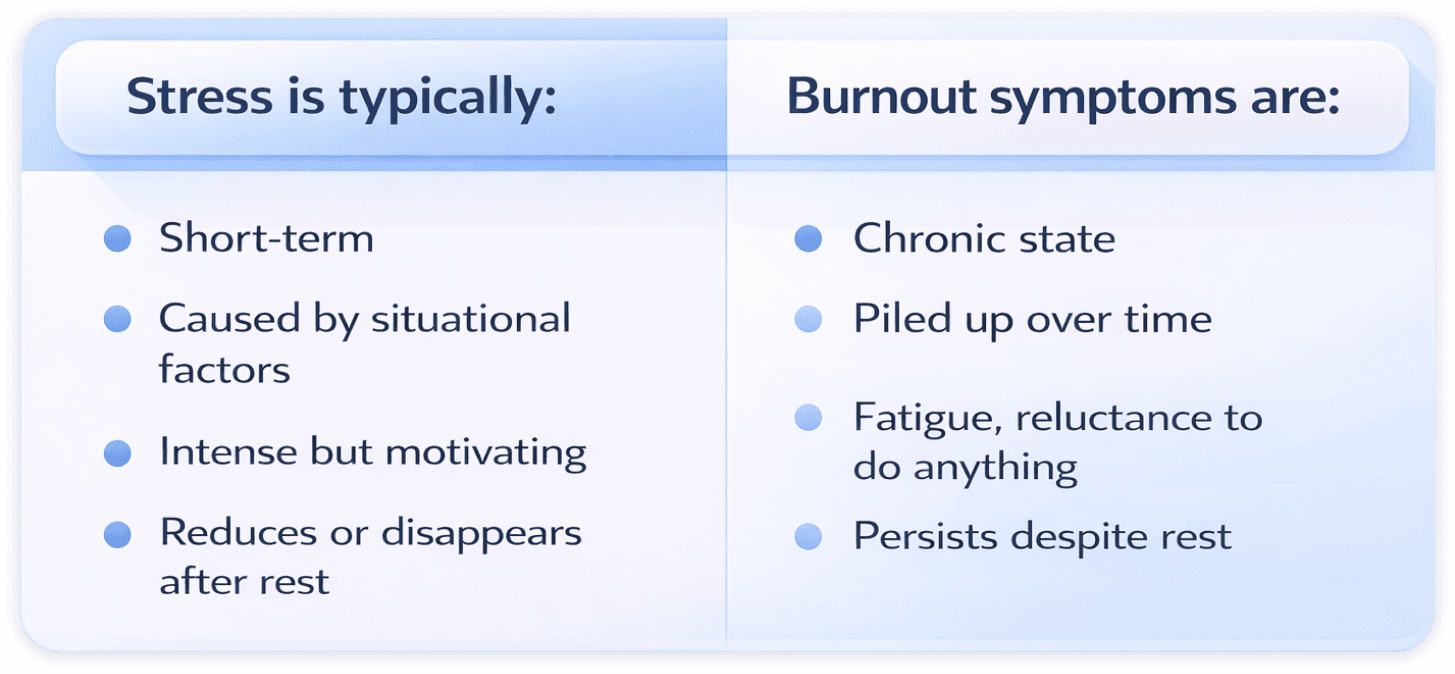
If you leave burnout unaddressed, your state may become worse over time. There will appear physical and mental burnout symptoms such as headaches, sleep issues, and weakened immunity. It is crucial to recognize these patterns as early as possible and seek help from professionals who know how to recover from burnout step by step.
The Burnout Symptoms Test: Do You Have Mental Exhaustion?
Aren’t sure whether you’re burned out? You can start with self-reflection and a set of simple questions. Though there is no universal burnout symptoms test, you can use the basic questionnaire below. Keep in mind that mental exhaustion often shows up subtly before full burnout sets in.
You may be experiencing mental exhaustion symptoms if you notice:
- Loss of motivation for things you once enjoyed
- Difficulty concentrating or making decisions
- Feeling “foggy” or mentally slow
- Strong reactions to minor problems
- Tiredness even after sleep
- Irritation when performing regular tasks
- Emotional load at work
Frequent “yes” answers may indicate signs of mental exhaustion that can lead to burnout down the road. This doesn’t mean you’ve failed or that you’re a bad specialist. It signals that your system needs support. Many people begin searching for how to recover from burnout while still working at this stage. It is a good decision, because the sooner you start tackling the problem, the easier it will be to overcome.
Neurodivergent Burnout: ADHD & Autistic Burnout Symptoms
Burnout has major signs, but it can also affect some people more severely than others. For example, neurodivergent individuals, particularly those with ADHD or autism, often experience burnout more intensely. Plus, they recover more slowly due to constant masking, sensory overload, and executive functioning strain.
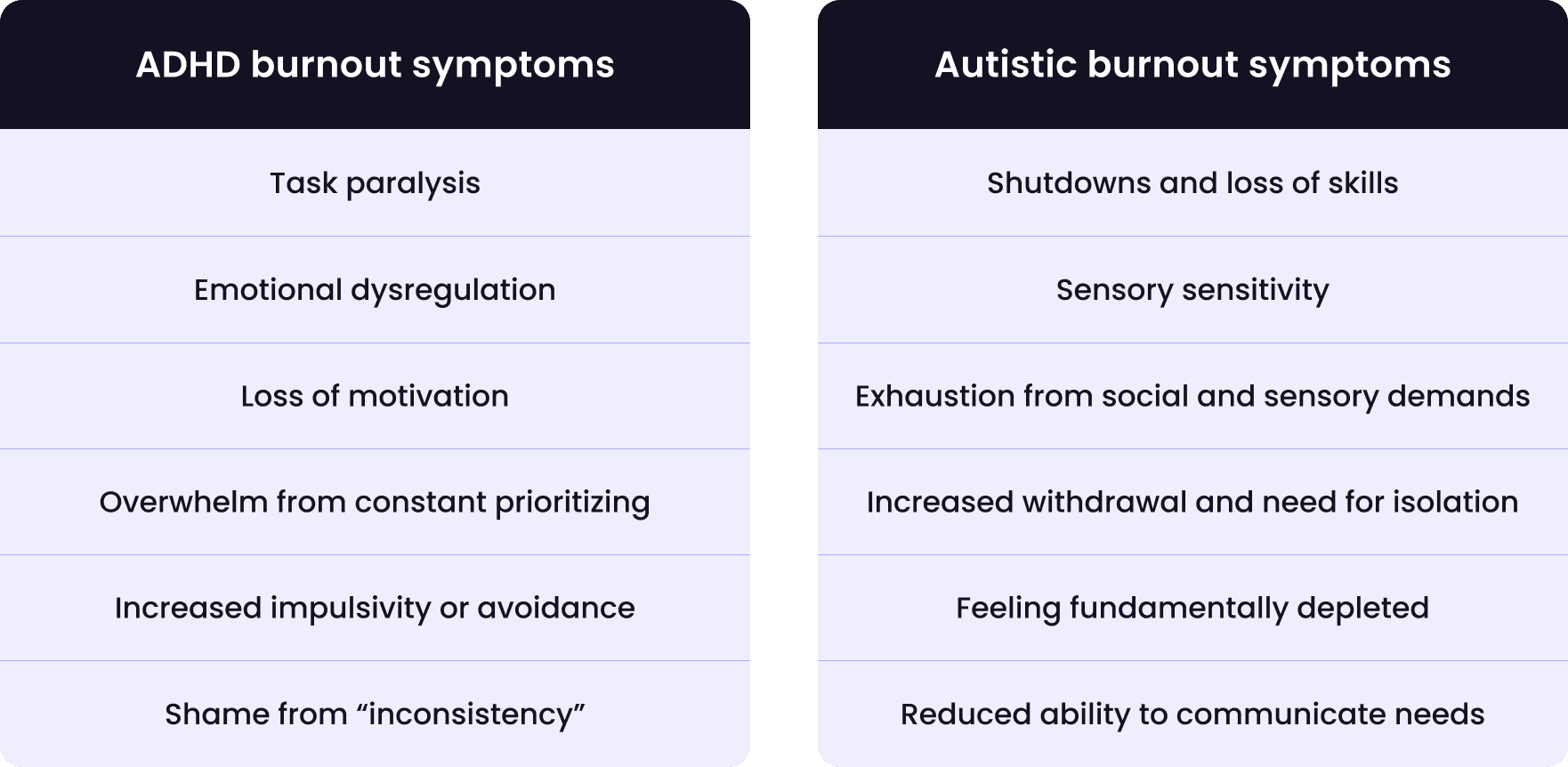
Whether you are facing autism burnout symptoms or ADHD ones, you need to deal with nervous system overload. Standard productivity advice often worsens these patterns. To recover, you need to reduce cognitive load, honor energy limits, and abandon “push through” strategies.
It is paramount to recognize neurodivergent burnout early, not only for healing, but for rebuilding sustainable ways of working and living.
Who Is at Risk? Nurse, Caregiver, and Job Burnout Symptoms
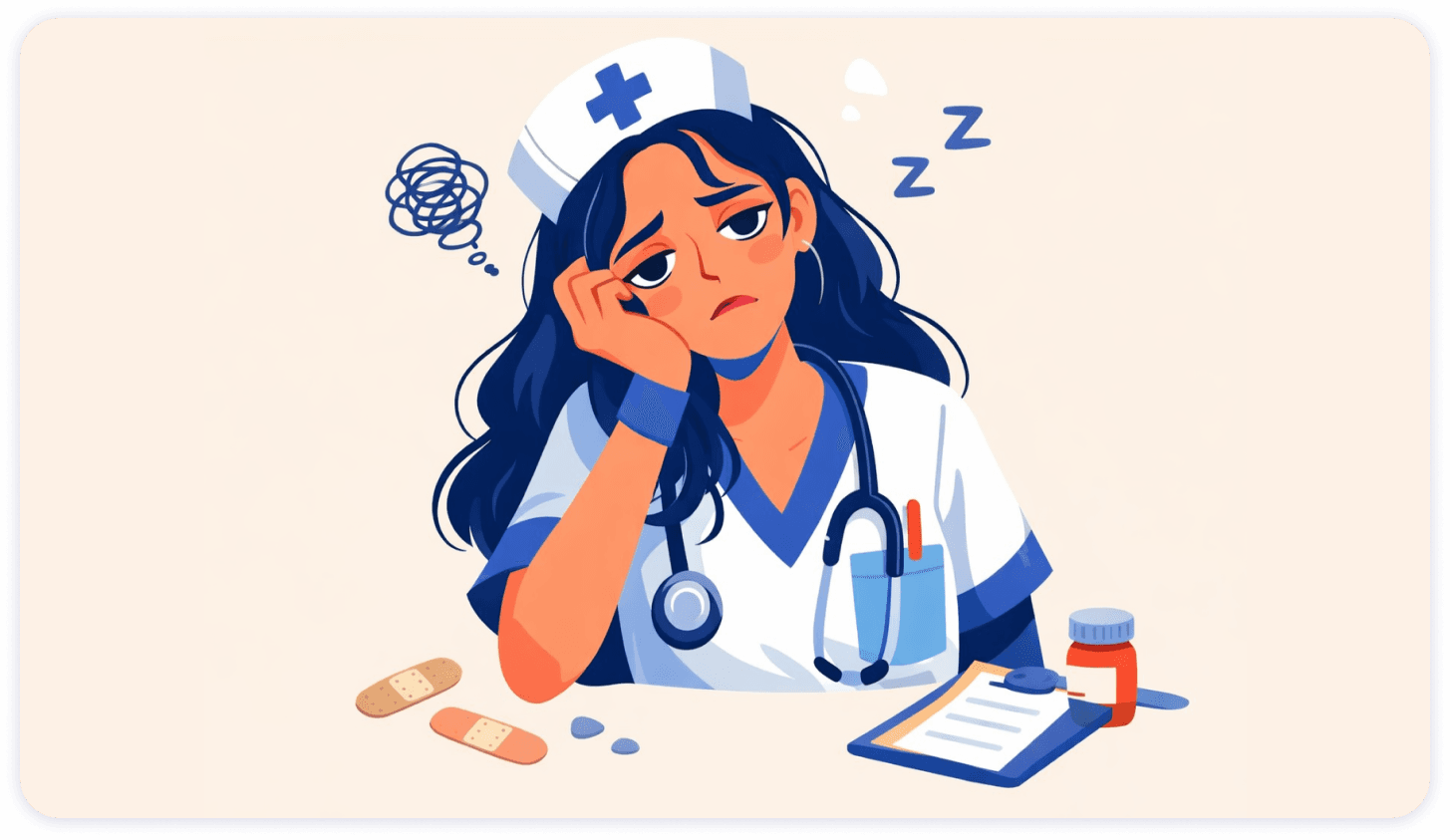
Burnout can affect anyone. Still, certain professions carry a significantly higher risk due to constant interaction with other people, responsibility, and limited recovery time. Those in helping professions and high-demand jobs often normalize exhaustion until it becomes chronic. By then, job burnout symptoms may already be deeply ingrained.
High-risk groups commonly include:
- Healthcare professionals and nurses
- Family and professional caregivers
- Office workers in high-pressure or poorly resourced environments
- Managers, team leads, and remote workers with blurred boundaries
- Educators and students
These roles are especially vulnerable and subject to burnout is the combination of responsibility and lack of control. When effort consistently outweighs reward, the nervous system shifts into survival mode. Over time, this leads to work burnout symptoms, emotional detachment, and noticeable physical symptoms of burnout, e.g., chronic fatigue, headaches, or frequent illness.
It is very important to recognize risks early. Burnout has nothing to do with resilience or work ethic. This state is characterized by prolonged nervous system overload. If you clearly understand that your job can potentially cause burnout, you can master specific techniques of how to recover from burnout in advance before it escalates.
Caregiver & Nurse Burnout Symptoms (Compassion Fatigue)
Caregivers and nurses are especially prone to burnout because their work involves constant emotional attunement to others’ needs. Over time, this can lead to compassion fatigue – a state where empathy becomes physically and emotionally exhausting rather than fulfilling.
Common nurse and caregiver burnout symptoms are emotional numbness or reduced empathy, guilt for needing rest or setting boundaries, irritation, detachment, or hopelessness, and difficulty “switching off” after shifts.
In addition to emotional strain, caregivers often experience burnout physical symptoms such as muscle tension, digestive issues, and sleep disturbances. Many continue working despite these signals, as they believe exhaustion is “part of the job.” When understating or overlooking caregiver and nurse burnout symptoms, the risk of long-term exhaustion increases.
If you are tired of being compassionate, it doesn’t mean you are a bad person or a worker. It is just a biological response to sustained emotional output without adequate recovery. Addressing it early, even with small changes, can be beneficial. It is necessary both for your personal well-being and professional longevity.
Work Burnout Symptoms in the Office
Office burnout often develops quietly. There may be no dramatic crisis, but suddenly you feel a gradual loss of energy, motivation, and engagement. Many professionals don’t realize they’re burned out until serious symptoms of burnout at work begin affecting performance and health.
Typical work burnout symptoms include avoiding tasks that once felt manageable, procrastination paired with constant mental pressure, reduced creativity and problem-solving ability, and disconnection from colleagues or goals.
Office workers also frequently report mental exhaustion symptoms such as brain fog, decision fatigue, and irritability after routine interactions. Over time, these patterns can develop into mental burnout, especially in environments with unclear expectations or constant overload.
Importantly, burnout doesn’t require long working hours. When staffers regularly deal with the lack of autonomy, recognition, or recovery, they are also at risk of experiencing burnout in the future. If you think you may have burnout, reach out to a professional and learn how to recover from burnout while still working, instead of waiting until a complete shutdown forces a break.
How to Recover from Burnout: A Step-by-Step Guide

Unfortunately, when people feel tired from work or regular responsibilities, they think that pushing harder or “fixing” themselves is the proper way to go. But burnout isn’t caused by laziness or lack of motivation. It is the opposite process, which requires restoring your nervous system, reducing overload, and rebuilding sustainable energy. When trying to grasp how to recover from burnout, you should start with simple steps and be consistent, instead of making drastic life overhauls.
- Acknowledge that you have burnout, without blaming yourself.
Burnout doesn’t appear from nowhere. It is a biological response to chronic stress, so it doesn’t define you as a weak person. First of all, you should name burnout symptoms to see what you’ll need to deal with. - Reduce input before increasing output
Reduce the number of non-essential tasks, notifications, and decisions. Thus, you can ease mental exhaustion and cognitive overload. - Take care of your body.
Get enough sleep, drink water, move gently, and eat nutritious and varied food. Even such simple changes can reduce burnout physical symptoms, and emotional depletion. - Create micro-recovery moments
For example, instead of working for several hours in a row, you can take short breaks, have a brief work, or just stretch your body. - Rebuild capacity gradually
Energy returns in waves. Don’t rush. Follow your recovery strategy and seek professional help if needed.
Real Talk: How to Recover from Burnout While Still Working
For many people, taking extended time off simply isn’t possible. That doesn’t mean recovery has to wait. When recovering from burnout while still working, you need to focus on protecting energy, not maximizing productivity.
What actually helps often goes against common workplace advice. Working longer hours tends to deepen exhaustion, while shorter, focused work blocks give your nervous system a chance to reset. Pushing through fatigue may feel productive in the moment, but stopping at the first signs of overload prevents burnout from worsening. Multitasking increases cognitive strain, whereas single-tasking with clear endpoints reduces mental load. Ignoring body signals delays recovery, while responding early to signs of mental exhaustion protects your energy and focus.
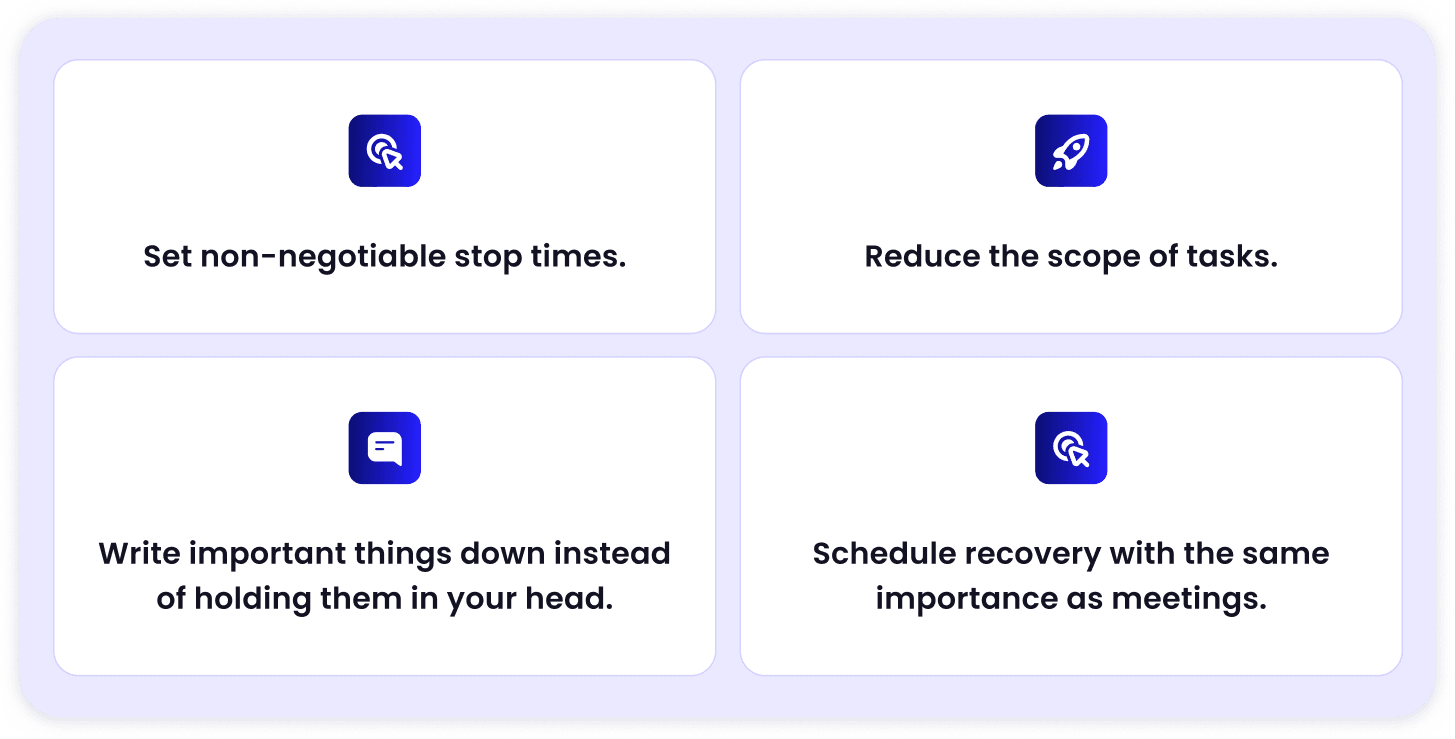
There are practical changes you can start immediately without stepping away from work.
Reclaim Your Energy with Attainify
Burnout recovery is easier with the right support system. Attainify is designed for people experiencing work burnout symptoms, neurodivergent burnout, and ongoing mental exhaustion, especially when rest alone isn’t enough.
Instead of rigid productivity rules, Attainify supports nervous-system–aware recovery by:
- Breaking tasks into energy-matched steps
- Reducing decision fatigue with clear daily priorities
- Offering real-time guidance during overwhelm
- Supporting pacing for ADHD and autistic burnout
For those dealing with mental burnout symptoms, Attainify helps rebuild trust in your energy rather than override it. The goal is to do what matters without draining yourself.
Reclaiming energy is a process, and with Attainify, it becomes gentle and sustainable.
FAQ
How long does it take to recover from burnout?
The time needed for recovery depends on how severe the burnout is, how long it has been present, and whether recovery happens alongside continued stress. Mild burnout may improve within weeks once burnout symptoms are addressed early. More advanced burnout often requires several months of consistent support. Recovery is rarely linear and usually happens in phases, with energy returning before motivation or focus. The main thing is to reduce ongoing overload rather than simply resting more.
What is the main difference between stress and mental exhaustion?
Stress is usually a short-term response to pressure and can even feel motivating in small doses. Mental exhaustion reflects a depleted nervous system that no longer recovers fully between demands. While stress eases once a problem passes, mental exhaustion symptoms persist even when the workload decreases. This is why mental exhaustion is a core feature of burnout rather than everyday stress.
Are autistic burnout symptoms permanent?
Autistic burnout symptoms are not permanent, but recovery often takes longer than it does for neurotypical burnout. Autistic burnout involves nervous system overload, skill regression, and heightened sensory sensitivity. That’s why it requires reduced demands and extended recovery time. With proper support and pacing, autism burnout symptoms can become less severe. The most important factor is to prevent repeated cycles of overload during recovery.
Can Attainify help prevent burnout symptoms?
Yes, Attainify helps people recognize and prevent burnout symptoms, especially for people at risk of chronic overload. The offered tools help reduce decision fatigue, structure tasks around energy limits, and address work burnout symptoms in real time, letting users notice warning signs sooner. This proactive approach is particularly helpful for individuals experiencing ongoing mental exhaustion or neurodivergent burnout patterns.
Sources



Related Articles





Ready to Transform Your Life?
Take our 1-minute quiz and start your journey to self-discovery and personal growth today.
1-Minute Quiz