

The People-Pleaser’s Dilemma: How to Stop Saying Yes When You Mean No
It’s a very nice feeling when everybody likes you, isn’t it? Your parents are proud telling everyone how responsible you are, your boss gladly leans on you whenever they need someone to cover an extra shift, your friends know who to call whenever they need another favor. And yet here you are, scrolling the Internet, looking for answers on the eternal question: how to stop being a people pleaser?

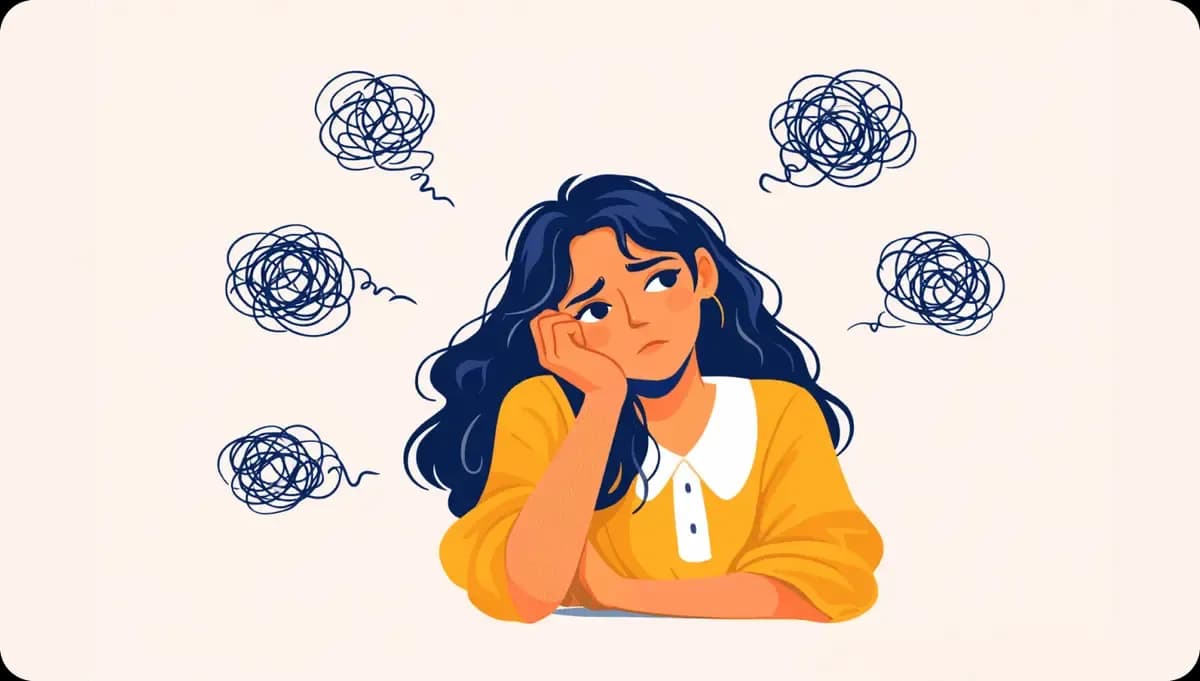
The problem is that in the process of being everything to everyone else, you forget who you are. You become a mirror, reflecting whatever you think the other person wants to see. You agree with opinions you don’t hold and attend events you don’t enjoy just to fit the mold.
Over time, this shapeshifting erases your own preferences and desires. And believe it or not, learning how to not be a people pleaser is the only way to find the person underneath all those expectations.
Why It Is So Hard to Stop Pleasing Others Even When You Want To
Even when technically you understand that you’re allowed to say no, well-rehearsed yes slips out almost automatically. Why? Understanding that is actually the first step to learning how to stop people pleasing.
The disconnect between your intention and your action happens because people-pleasing is rarely just a bad habit. It is a complex mix of biological survival instincts, emotional regulation, and deep-seated beliefs about your own value.
The Fawn Response
Most people are familiar with the fight-or-flight stress responses. However, there is another reaction, known as Fawn.
When the brain perceives a threat – and potential conflict, disappointment, or rejection is a threat for your nervous system – it immediately shifts into appeasement mode.
By becoming helpful and compliant, the nervous system attempts to diffuse tension and ensure safety. This reflex bypasses logical thought, causing an agreement to slip out before the conscious mind can intervene.
Hyper-Active Mirror Neurons
Research suggests that chronic people-pleasers often have highly active mirror neuron systems. These neurons allow humans to understand what others are feeling by simulating those emotions in their own brains.
This means you don’t just intellectually know someone is disappointed but physically feel their distress.
The urge to fix their problem or agree to their request becomes a way to regulate your own nervous system. You say yes to stop the shared discomfort, effectively managing their emotions to calm your own.
The Amygdala Hijack
Evolutionarily, rejection from the tribe was a death sentence. Because of this, the human brain creates a strong pain response to social rejection. Studies from UCLA show that social pain activates the same neural regions as physical pain.
So when you consider disappointing someone, your amygdala sounds the alarm. It floods your body with cortisol, creating physical anxiety. Compliance becomes the quickest way to shut down this chemical stress response and return to a feeling of safety. You can’t stop people pleasing because your brain believes that doing it equals a direct threat.
Signs You Are Stuck in the Cycle and Need to Stop People Pleasing
If you’re looking for ways to stop being a people pleaser, chances are, you’re already suspecting that you are one. But to be completely sure, check yourself for these little signs. Understanding yourself and becoming self-aware of your problem is the next important step to learn how not to be a people pleaser.
- Constant apologizing. You feel like your existence itself is something you need to say sorry for. So you end up in a constant cycle of apologies – even if you didn’t actually do anything wrong. You say sorry when a waiter gets your order wrong, or someone bumps into you on the street. Constant apologizing is the first sign that it’s time to start overcoming people pleasing.
- Shapeshifting. The need to be accepted and fit in forces you to change your opinions, preferences, and personality traits. And it happens so often that at the end of the day you feel completely lost, not knowing who you truly are and what you really want.
- Resentment. You pretend that you’re completely okay with agreeing to something you didn’t want to do in the first place, but internally you’re seething. This anger is a clear sign that it’s time to stop pleasing others and violating your own boundaries.
- Seeking permission. You struggle to make simple decisions without asking others what they want first, relying on external validation to make sure that your choices are correct and acceptable.
Practical Steps on How to Stop Being a People Pleaser Today
Being self-aware and understanding the reasoning are the first two steps that you need to do when you find yourself thinking, “How do I stop being a people pleaser?” However, to fully fix that issue, you need a more complex approach. These simple but practical steps are a perfect place to start.
The Art of Stalling for Time Before You Commit
To stop being a people pleaser, you need to get rid of the constant need to give the answer right away. Driven by anxiety and urgency, you tend to agree to anything – just to release the tension. But to learn how to overcome people pleasing, you first need to buy yourself some time to think.
Instead of a constant agreement, teach yourself to take a pause before making a commitment. It might feel difficult at first since you’re not used to it, but in the real world, it’s a totally normal practice. Start by using these simple phrases:
- Let me check my calendar first.
- Is it okay if I give you the answer later? I’m not sure if I’m available.
- Can I let you know by tomorrow?
If you are wondering how to stop being a people pleaser without being rude, this simple pause is your most powerful tool. It gives you enough time to calm down your nervous system and figure out the answer based on your actual needs rather than fear of disappointing someone.
Learning How to Say No Without Over-Explaining Yourself
When you finally decide to decline, at first, you will probably feel the urge to offer a long, detailed excuse. Many people-pleasers believe that giving a good enough reason will save them from disappointing others.
In reality though, over-explaining actually weakens your position.
It gives the other person room to problem-solve your excuse so you can eventually say yes. Learning how to not people please means getting comfortable with a direct no.
Keep your refusal simple, kind, but firm:
- I can’t do that right now.
- I’m not available, but thanks for asking.
- That doesn’t work for me.
See how there’s no “because” in those sentences?
You do not owe anyone a justification for how you spend your time. If you want to overcome people pleasing, you must genuinely believe that “no” is a complete sentence.
Stop Trying to Please Everyone by Setting Small Boundaries First
If you’re wondering how to heal from people pleasing, you need to get comfortable with the though that it might take some time. If you’ve been doing something your whole life, it’s only natural to train before completely changing the habit.
So don’t expect yourself to just randomly stop trying to please everyone – that’s ambitious, but unrealistic. What you can do instead is start practicing how to be less of a people pleaser in low-stakes situations, where your decision won’t have ay huge affect, but will make you more comfortable with setting a boundary.
- Send back a dish at a restaurant if it’s cold.
- Suggest a different movie when your friends ask you what you want to watch.
- Don’t pick up the call if you’re too tired for it.
- Leave the conversation when you’re ready to go instead of waiting for an approval.
This gradual exposure rewires your brain, teaching your nervous system that learning how to recover from people pleasing is not a threat but a benefit. Once you feel more comfortable in these small scenarios, you’ll be able to set more firm boundaries in more challenging circumstances, too.
Dealing With the Guilt When You Finally Stop Being a People Pleaser
When you finally decide to figure out how to stop being a pleaser, you need to understand that this process might be pretty unpleasant.
In addition to the anxiety you might feel before setting a boundary, you can also face a sever guilt immediately after saying no. You might start worrying that you were too harsh, that you let somebody down, or that you’re simply being selfish.
Remember that feeling this way is completely normal – it is nothing but the symptom of withdrawal. For years, your brain relied on compliance to feel safe and secure. By changing the script, you trigger an internal alarm system that interprets your autonomy as a mistake.
Feeling guilty does not mean you did something wrong. The moment you start asking yourself, “How do I stop people pleasing?”, you are breaking a long-standing pattern. You are retraining your nervous system to understand that your safety does not depend on making everyone else happy.
This temporary discomfort is inevitable when you learn how to stop trying to please everyone. As soon as you realize that your relationships survive – and often improve – when you are honest about your capacity, the alarm bells will eventually go silent.
Reclaim Your Life and Boundaries With Attainify
Learning how to get over people pleasing is difficult when you have spent years prioritizing everyone else. You need a support system to help you navigate this transition without spiraling into self-doubt.
Attainify acts as the assertive partner in your pocket.
Our AI Mental Wellbeing Coaches are available 24/7 to help you practice difficult conversations before they happen. You can roleplay saying no, draft firm text messages, and get immediate validation when the post-boundary guilt sets in. We help you stay accountable to your own needs so you can finally live for yourself.
FAQ
How do I stop being a people pleaser if I am afraid of conflict?
When you’re just starting to learn how to stop pleasing others, start by using the pause method. Tell people you need to check your schedule instead of answering immediately. This removes the pressure of face-to-face conflict and allows you to decline via text or email later, which is often easier for beginners.
Is people-pleasing a sign of trauma?
It can be. Many people develop people-pleasing behaviors as a fawn response to early environments where they had to keep the peace to stay safe. It is a survival mechanism that has outlasted its usefulness.
Can I stop being a people pleaser and still be a kind person?
Yes. Boundaries actually allow you to be kinder. When you stop pleasing others out of fear, you prevent resentment from building up. This means when you do choose to help, you offer genuine generosity rather than obligated compliance.



Related Articles






Ready to Transform Your Life?
Take our 1-minute quiz and start your journey to self-discovery and personal growth today.
1-Minute Quiz