

Doomscrolling Before Bed: Psychological Causes and Healthy Alternatives
Most people who search what is doom scrolling already know the answer on some level – they are doing it right now, probably in bed, probably at a time when they should be asleep. The doomscrolling meaning that clinical researchers use goes deeper than “spending too much time on your phone.”

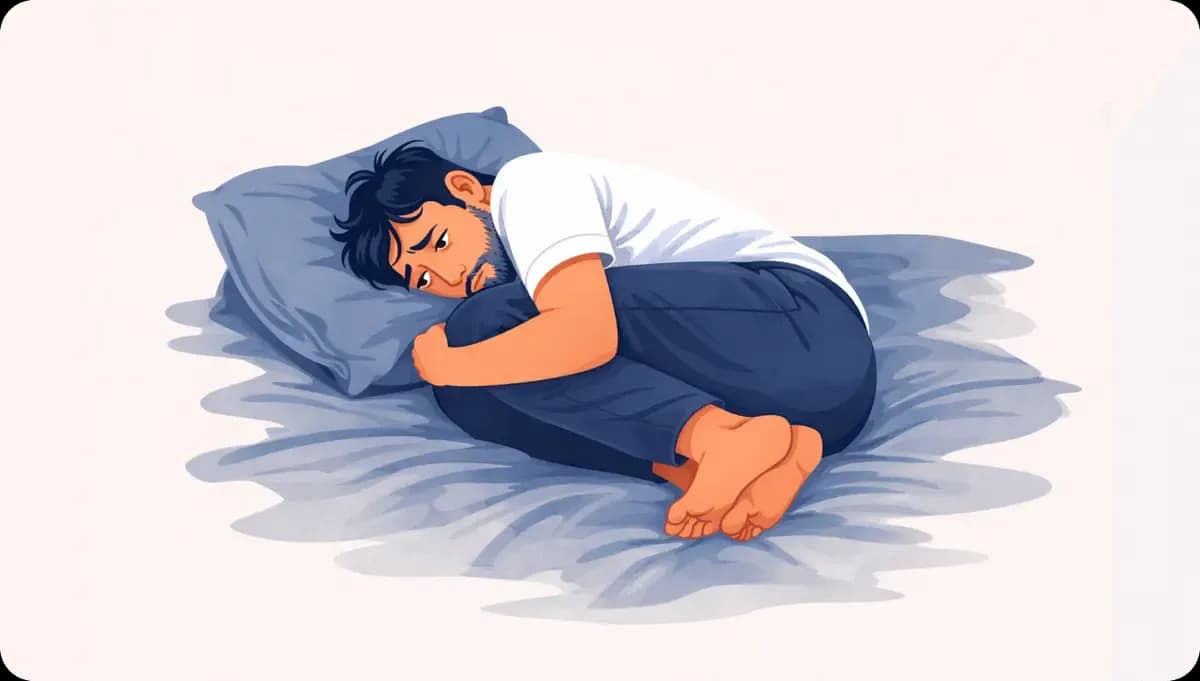
This relentless consumption of distressing content is a deeply ingrained nervous system response, and understanding why your brain actively seeks out threats when it should be resting is the only way to effectively shut the behavior down.
What is Doomscrolling? The Meaning Behind the Habit
To actually fix the problem, we first need to look at what happens neurologically when you engage in this behavior. In most cases, doomscrolling is a very specific cognitive loop. It is the voluntary, irrational delay of sleep in favor of obsessively scanning social media feeds or news platforms.
The doomscrolling meaning essentially boils down to an evolutionary mismatch.
The human brain is biologically hardwired to pay attention to danger – a survival mechanism that kept our ancestors alive by keeping them hyper-vigilant. Today, social media algorithms weaponize that exact survival instinct. Your threat-detection system gets hijacked by an infinite feed of global crises, tricking your brain into believing that absorbing this information is necessary for your immediate survival.
Death Scrolling and Doomsday Scrolling: Defining the Terms
Because this behavioral pattern is so widespread, multiple terms have emerged to describe it. Whether you call it death scrolling, doomsday scrolling, or simply a doom scroll, all these phrases point to the exact same psychological phenomenon.
A clinical doom scrolling definition centers on the compulsive nature of the act – you are no longer scrolling for entertainment or connection, but out of a rigid, anxiety-driven need to monitor an unpredictable environment.
The Psychology: Why is Scrolling So Addictive?
If consuming negative news makes you feel terrible, why is scrolling so addictive? The answer lies in how your brain processes uncertainty. When you are stressed or overwhelmed, your brain craves resolution. It actively searches for information that will either confirm a threat or neutralize it.
The problem with scrolling on social media is that the feed never provides a resolution. It simply offers an endless stream of compressed, amplified threats. This triggers intermittent reinforcement – the same psychological mechanism that makes slot machines addictive.
You keep engaging in mindless scrolling because your brain is convinced that the next post, the next article, or the next video will finally provide the sense of safety or completion you are looking for.
Dopamine Scrolling and the Illusion of Control
A massive misconception about dopamine is the belief that it is strictly a “reward” chemical. In reality, dopamine is a neurotransmitter responsible for seeking and motivation. When you engage in dopamine scrolling, you are not experiencing pleasure; you are experiencing the compulsion to seek out new information.
This behavior thrives on the illusion of control. When the world feels chaotic, absorbing catastrophic news creates a false sense of preparedness. You trick yourself into believing that if you just know enough about the impending disaster, you can somehow protect yourself from it. But instead of providing safety, this habit only reinforces the feeling of powerlessness.
How Does Scrolling Affect the Brain and Body?
The physiological toll of this habit extends far beyond simply waking up groggy. When you ask how does scrolling affect the brain, you have to look at the endocrine system. Engaging with intense, emotionally charged content right before bed forces your body into a state of physiological arousal. Your adrenal glands release cortisol and adrenaline, effectively telling your nervous system that you are under active attack.
Mindless Scrolling Anxiety: Why is Scrolling Bad for You?
This constant bath of stress hormones completely exhausts your central nervous system. When exploring why is scrolling bad for you, the most immediate danger is the creation of a chronic, low-grade panic state. Mindless scrolling anxiety occurs because you are forcing your brain to process a massive volume of distressing data without giving it any physical outlet to release that generated stress.
Over time, this cognitive overload directly contributes to decision fatigue. You drain your executive function late at night, leaving you with zero mental bandwidth to make clear, rational choices the following day.
Does Scrolling Make You Tired? The Sleep Deprivation Cycle
Does scrolling make you tired? Yes, but not in a way that leads to sleep. It creates a state of “tired and wired.” The blue light from your screen actively suppresses melatonin production, but the psychological stimulation is the real barrier to rest.
Pre-sleep doom-scrolling delays the onset of sleep and destroys your sleep architecture, preventing you from reaching the deep, restorative phases of the sleep cycle. You wake up physically depleted, which significantly lowers your emotional resilience, making you even more susceptible to the urge to doomscroll the next night.
This compounding exhaustion is a primary catalyst for long-term emotional burnout. If you are struggling to function during the day, you need to recognize burnout and reclaim your energy by fiercely protecting your pre-sleep window.
How to Stop Doomscrolling (The Attainify Approach)
Knowing what does doomscrolling mean and understanding the damage it causes is only the first step. Actually breaking the cycle requires a structured system that bypasses your depleted willpower. Standard advice telling you to “just put the phone down” assumes you have a functioning executive system at 11:30 PM. You don't.
To figure out how to stop doomscrolling, you have to remove the friction of decision-making and treat the behavior as an emotional regulation problem.
1. Discover Your Hidden Triggers with a Quiz
You cannot fix a behavior if you don’t know what is triggering it. People default to their phones for very different reasons. You might be scrolling to numb the anxiety of a looming deadline, to escape a feeling of loneliness, or simply because your brain is under-stimulated.
Attainify starts by mapping out your specific psychological blockers. A quick diagnostic quiz identifies the exact emotional state that drives you to pick up your phone, allowing you to address the root cause rather than just fighting the symptom.
2. Build a 30-Day Evening Routine Challenge
Willpower is volatile and entirely based on emotion. If you rely on feeling motivated to stop scrolling, you will fail the moment you have a bad day. Instead, you need to build a system that replaces the negative habit with a structured, restorative sequence.
When you create an action plan for your evening, you remove the burden of choice. Attainify helps you generate a customized 30-day routine that gently transitions your brain out of its hyper-aroused state, utilizing micro-habits that require zero cognitive effort to initiate.
3. Use a Voice AI Accountability Partner to Beat Cravings
The most difficult moment in breaking a habit is the exact second the craving hits. When the urge to check the news spikes, your prefrontal cortex goes offline, and the primal, habit-driven part of your brain takes over.
This is where having an immediate intervention is critical. Attainify’s Voice AI acts as an on-demand accountability partner to help you break free from compulsive scrolling. By talking out your anxiety with the AI coach, you externalize the panic, interrupt the automatic reflex to grab your phone, and gently guide your nervous system back to a baseline state.
Healthy Alternatives to Stop Scrolling Addiction
You cannot simply delete a coping mechanism without putting something else in its place. Learning how to stop scrolling addiction means actively filling the behavioral vacuum with activities that satisfy your brain’s need for closure and safety, without the toxic side effects.
Why “Just Stopping” Doesn’t Work: The Power of Approach Goals
When seeking out how to avoid doomscrolling, many people set so-called avoidance – rules centered around what not to do. The brain, though, hates avoidance goals because they require constant, active suppression, which drains mental energy.
Instead, you must switch to setting approach goals, focusing entirely on a positive behavior you want to initiate. Instead of trying to force yourself to stop doom scrolling, your goal becomes reading ten pages of a physical book, listening to a specific podcast, or doing a ten-minute stretching routine. You trick your brain into motion by giving it a clear, non-threatening destination.
Summary: Breaking Free from Social Media Effects
The urge to endlessly consume digital content is nothing more than your nervous system desperately trying to gain control in an overwhelming environment. The scrolling social media effects quietly erode your emotional resilience, ruin your sleep architecture, and trap you in a permanent state of fight-or-flight.
By recognizing the true psychological drivers behind the habit – and implementing a system that relies on friction reduction and strategic routines rather than raw willpower – you can finally cross the intention-action gap. When you stop fighting your brain and start actively managing your nervous system, reclaiming your evenings and your mental clarity becomes entirely possible.



Related Articles






Ready to Transform Your Life?
Take our 1-minute quiz and start your journey to self-discovery and personal growth today.
1-Minute Quiz